Coronavirus disease 2019

COVID-19 is a contagious disease caused by the coronavirus SARS-CoV-2. In January 2020, the disease spread worldwide, resulting in the COVID-19 pandemic.

The symptoms of COVID‑19 can vary but often include fever,[7] fatigue, cough, breathing difficulties, loss of smell, and loss of taste.[8][9][10] Symptoms may begin one to fourteen days after exposure to the virus. At least a third of people who are infected do not develop noticeable symptoms.[11][12] Of those who develop symptoms noticeable enough to be classified as patients, most (81%) develop mild to moderate symptoms (up to mild pneumonia), while 14% develop severe symptoms (dyspnea, hypoxia, or more than 50% lung involvement on imaging), and 5% develop critical symptoms (respiratory failure, shock, or multiorgan dysfunction).[13] Older people have a higher risk of developing severe symptoms. Some complications result in death. Some people continue to experience a range of effects (long COVID) for months or years after infection, and damage to organs has been observed.[14] Multi-year studies on the long-term effects are ongoing.[15]

COVID‑19 transmission occurs when infectious particles are breathed in or come into contact with the eyes, nose, or mouth. The risk is highest when people are in close proximity, but small airborne particles containing the virus can remain suspended in the air and travel over longer distances, particularly indoors. Transmission can also occur when people touch their eyes, nose, or mouth after touching surfaces or objects that have been contaminated by the virus. People remain contagious for up to 20 days and can spread the virus even if they do not develop symptoms.[16]

Testing methods for COVID-19 to detect the virus's nucleic acid include real-time reverse transcription polymerase chain reaction (RT‑PCR),[17][18] transcription-mediated amplification,[17][18][19] and reverse transcription loop-mediated isothermal amplification (RT‑LAMP)[17][18] from a nasopharyngeal swab.[20]

Several COVID-19 vaccines have been approved and distributed in various countries, many of which have initiated mass vaccination campaigns. Other preventive measures include physical or social distancing, quarantining, ventilation of indoor spaces, use of face masks or coverings in public, covering coughs and sneezes, hand washing, and keeping unwashed hands away from the face. While drugs have been developed to inhibit the virus, the primary treatment is still symptomatic, managing the disease through supportive care, isolation, and experimental measures.
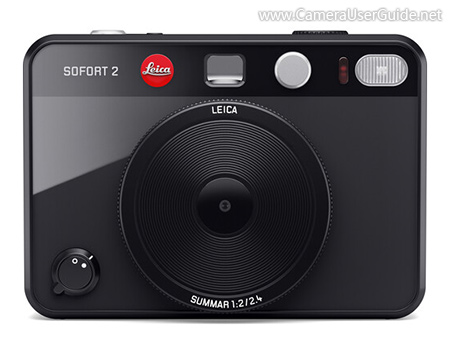
Leica Sofort 2 Camera User Manual, Instruction Manual, User Guide (PDF)

Leica Sofort 2

Leica Sofort 2 hybrid instant film camera comes with a 4.9 MP CMOS sensor and an F/2 28mm (35mm equivalent) wide-angle lens. It can capture images to the built-in memory or microSD card and print photos on INSTAX Mini film.

The camera features a selfie mirror to help compose self-portraits accurately. Additionally, the second shutter button on the front of the camera makes it easy to take a selfie.

Read moreLeica Sofort 2 Camera User Manual, Instruction Manual, User Guide (PDF)

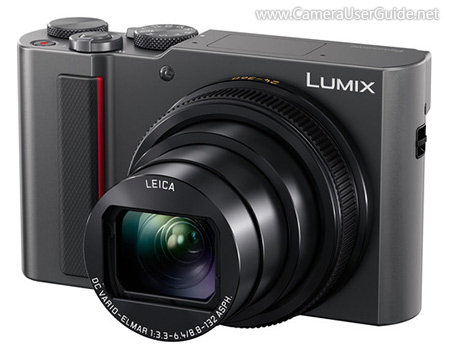
Panasonic Lumix DC-ZS200D Camera User Manual, Instruction Manual, User Guide (PDF)

Panasonic Lumix DC-ZS200 Lumix DC-TZ200

Panasonic Lumix DC-ZS200D features a 20-megapixel, 1-inch high-sensitivity MOS sensor that works with the Venus Engine Image Processor to deliver crisp, clear images.

The LEICA DC VARIO-ELMARIT 15x (24-360mm) optical zoom lens and 5-axis Hybrid Optical Image Stabilizer Plus allow you to capture sharp, steady results even in low light or when using the full zoom range.

Read morePanasonic Lumix DC-ZS200D Camera User Manual, Instruction Manual, User Guide (PDF)

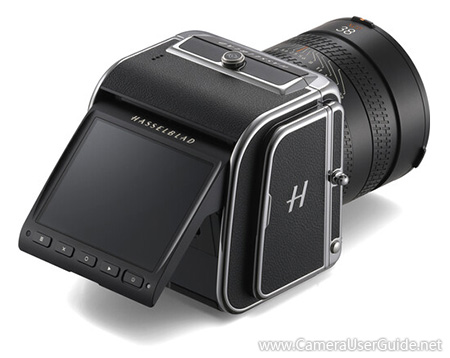
Hasselblad 907X CFV 100C Camera User Manual, Instruction Manual, User Guide (PDF)

Hasselblad 907X 100C

Hasselblad 907X CFV 100C Medium Format Mirrorless Camera features a 43.8x32.9mm Medium Forma 100MP BSI CMOS sensor delivers exceptional image quality with an impressive 15 stops of dynamic range, 16-bit color depth, and a native ISO sensitivity range of 64 to 25600.

The Phase Detect AF system, which has 294 points and covers 97% of the sensor, ensures that the subject is quickly located and brought into focus.

Read moreHasselblad 907X CFV 100C Camera User Manual, Instruction Manual, User Guide (PDF)

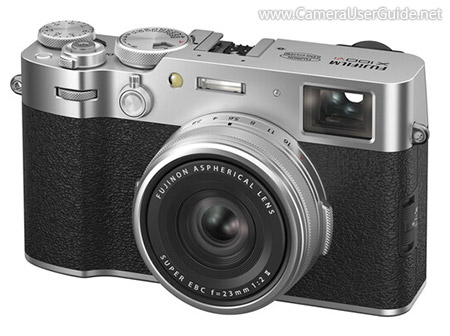
Fujifilm X100VI Camera User Manual, Instruction Manual, User Guide (PDF)

Fujifilm X100VI

Fujifilm X100VI equipped with a 40.2 MP APS-C X-Trans BSI CMOS 5 HR sensor and X-Processor 5 delivers outstanding image quality and low-light performance. The 23mm (35mm equivalent) F/2 prime lens with Super EBC coating provides edge-to-edge sharpness from the center to the corners.

The five-axis in-body image stabilization system that helps to minimize the appearance of camera shake by up to 6 stops. The 425-point Intelligent Hybrid AF System for quick and accurate AF performance.

Read moreFujifilm X100VI Camera User Manual, Instruction Manual, User Guide (PDF)

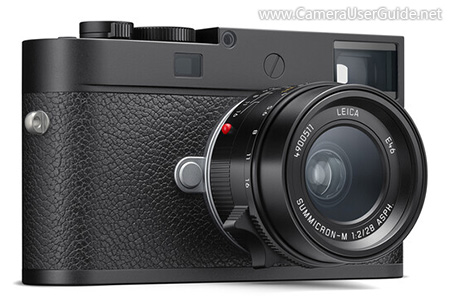
Leica M11-P Camera User Manual, Instruction Manual, User Guide (PDF)

Leica M11-P

Leica M11-P digital rangefinder camera features a 60 MP BSI full frame CMOS sensor with Triple Resolution technology, allowing users to select 60MP, 36MP, or 18MP output using the full sensor area. Combined with the power of the Maestro III processor, the M11-P achieves an ISO range of 64-50000, 15 stops of dynamic range and up to 4.5 fps continuous shooting.

The Leica M11-P equipped with a 0.73x optical rangefinder offers greater compositional and focusing accuracy. The viewfinder frame selector can be used to manually change the apparent field of view to help visualize the scene at different focal lengths.

Read moreLeica M11-P Camera User Manual, Instruction Manual, User Guide (PDF)