The Founding of YouTube A Short History

YouTube is one of the most influential platforms in modern media, but its origin story is surprisingly simple: a small team wanted an easier way to share video online. In the early 2000s, uploading and sending video files was slow, formats were inconsistent, and most websites weren’t built for smooth playback. YouTube’s founders focused on removing those barriers—making video sharing as easy as sending a link.

Who Founded YouTube?

YouTube was founded by three former PayPal employees: Chad Hurley, Steve Chen, and Jawed Karim. They combined product thinking, engineering skills, and a clear user goal: create a website where anyone could upload a video and watch it instantly in a browser.

  • Chad Hurley — product/design focus and early CEO role
  • Steve Chen — engineering and infrastructure
  • Jawed Karim — engineering and early concept support

The Problem YouTube Solved

At the time, sharing video often meant emailing huge files or dealing with complicated players and downloads. YouTube made video:

  1. Uploadable by non-experts (simple interface)
  2. Streamable in the browser (no special setup)
  3. Sharable through links and embedding on other sites

Early Growth and the First Video

YouTube launched publicly in 2005. One of the most famous early moments was the first uploaded video, “Me at the zoo,” featuring co-founder Jawed Karim. The clip was short and casual—exactly the kind of everyday content that proved the platform’s big idea: ordinary people could publish video without needing a studio.

Key Milestones Timeline

Year/Date
Milestone
Why It Mattered
2005 YouTube is founded and launches Introduced easy browser-based video sharing
2005 “Me at the zoo” is uploaded Became a symbol of user-generated video culture
2006 Google acquires YouTube Provided resources to scale hosting and global reach

Why Google Bought YouTube

By 2006, YouTube’s traffic was exploding. Video hosting is expensive—bandwidth and storage costs rise fast when millions of people watch content daily. Google’s acquisition gave YouTube the infrastructure and advertising ecosystem to grow into a sustainable business.

What YouTube’s Founding Changed

YouTube didn’t just create a popular website; it reshaped how people learn, entertain themselves, and build careers online. Its founding helped accelerate:

  • Creator-driven media and influencer culture
  • How-to education and free tutorials at massive scale
  • Music discovery, commentary, and global community trends

From a small startup idea to a global video powerhouse, YouTube’s founding is a classic example of a simple product solving a real problem—and changing the internet in the process.
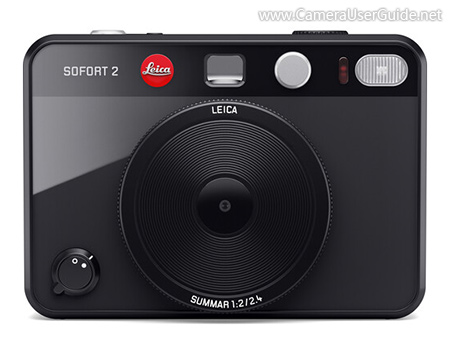
Leica Sofort 2 Camera User Manual, Instruction Manual, User Guide (PDF)

Leica Sofort 2

Leica Sofort 2 hybrid instant film camera comes with a 4.9 MP CMOS sensor and an F/2 28mm (35mm equivalent) wide-angle lens. It can capture images to the built-in memory or microSD card and print photos on INSTAX Mini film.

The camera features a selfie mirror to help compose self-portraits accurately. Additionally, the second shutter button on the front of the camera makes it easy to take a selfie.

Read moreLeica Sofort 2 Camera User Manual, Instruction Manual, User Guide (PDF)

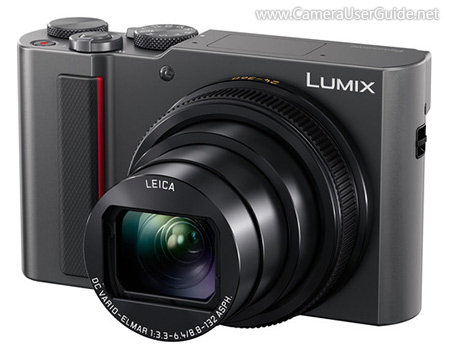
Panasonic Lumix DC-ZS200D Camera User Manual, Instruction Manual, User Guide (PDF)

Panasonic Lumix DC-ZS200 Lumix DC-TZ200

Panasonic Lumix DC-ZS200D features a 20-megapixel, 1-inch high-sensitivity MOS sensor that works with the Venus Engine Image Processor to deliver crisp, clear images.

The LEICA DC VARIO-ELMARIT 15x (24-360mm) optical zoom lens and 5-axis Hybrid Optical Image Stabilizer Plus allow you to capture sharp, steady results even in low light or when using the full zoom range.

Read morePanasonic Lumix DC-ZS200D Camera User Manual, Instruction Manual, User Guide (PDF)

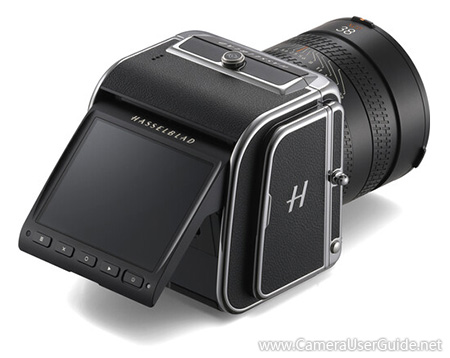
Hasselblad 907X CFV 100C Camera User Manual, Instruction Manual, User Guide (PDF)

Hasselblad 907X 100C

Hasselblad 907X CFV 100C Medium Format Mirrorless Camera features a 43.8x32.9mm Medium Forma 100MP BSI CMOS sensor delivers exceptional image quality with an impressive 15 stops of dynamic range, 16-bit color depth, and a native ISO sensitivity range of 64 to 25600.

The Phase Detect AF system, which has 294 points and covers 97% of the sensor, ensures that the subject is quickly located and brought into focus.

Read moreHasselblad 907X CFV 100C Camera User Manual, Instruction Manual, User Guide (PDF)

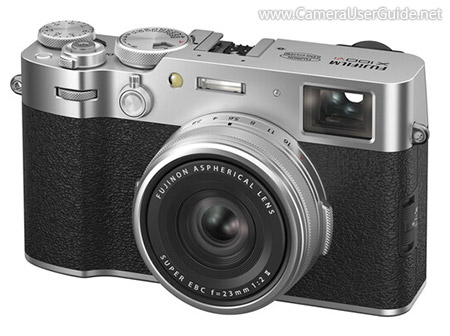
Fujifilm X100VI Camera User Manual, Instruction Manual, User Guide (PDF)

Fujifilm X100VI

Fujifilm X100VI equipped with a 40.2 MP APS-C X-Trans BSI CMOS 5 HR sensor and X-Processor 5 delivers outstanding image quality and low-light performance. The 23mm (35mm equivalent) F/2 prime lens with Super EBC coating provides edge-to-edge sharpness from the center to the corners.

The five-axis in-body image stabilization system that helps to minimize the appearance of camera shake by up to 6 stops. The 425-point Intelligent Hybrid AF System for quick and accurate AF performance.

Read moreFujifilm X100VI Camera User Manual, Instruction Manual, User Guide (PDF)

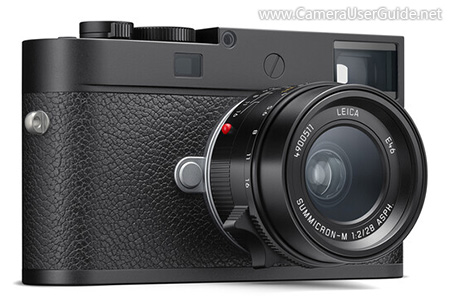
Leica M11-P Camera User Manual, Instruction Manual, User Guide (PDF)

Leica M11-P

Leica M11-P digital rangefinder camera features a 60 MP BSI full frame CMOS sensor with Triple Resolution technology, allowing users to select 60MP, 36MP, or 18MP output using the full sensor area. Combined with the power of the Maestro III processor, the M11-P achieves an ISO range of 64-50000, 15 stops of dynamic range and up to 4.5 fps continuous shooting.

The Leica M11-P equipped with a 0.73x optical rangefinder offers greater compositional and focusing accuracy. The viewfinder frame selector can be used to manually change the apparent field of view to help visualize the scene at different focal lengths.

Read moreLeica M11-P Camera User Manual, Instruction Manual, User Guide (PDF)